
Walk into any gym and ask how to measure body fat, and you'll get a dozen different answers. BIA scales, calipers, DEXA scans, photos — everyone has a preference. The uncomfortable truth is that even the gold-standard lab methods carry a margin of error that would surprise most people. Understanding why each method works (and fails) will help you make smarter decisions about how to track your progress.
Every Method, Ranked by Accuracy
Body fat measurement methods span a wide range of cost, accessibility, and precision. Here's how they stack up — from the most accurate in research settings down to the tools most people actually have access to.
| Method | Typical Error | Accuracy | Cost / Access |
|---|---|---|---|
| MRI / CT Scan | ~1–2% | Highest | $500–2,000+ · Hospital only |
| 4-Compartment Model | ~1–2% | Highest | Research labs only |
| DEXA Scan | ~1–3% | Very High | $50–150 · Clinics / gyms |
| Hydrostatic Weighing | ~2–3% | High | $50–150 · University labs |
| Air Displacement (Bod Pod) | ~2–4% | Good | $50–75 · Some gyms/clinics |
| Skinfold Calipers | ~3–5% | Moderate | $10–30 · Requires skill |
| Navy Tape Measurement | ~3–5% | Moderate | Free · Tape measure only |
| BIA Scales (home) | ~3–8% | Low–Moderate | $30–200 · Widely available |
| BMI-derived estimate | ~5–10%+ | Poor | Free · No equipment |
| Visual / Photo Comparison | ~3–5% (self-estimate) | Moderate | Free · Always available |
MRI & CT Scanning: The True Gold Standard
Magnetic resonance imaging and CT scans can directly visualize and quantify fat tissue compartments - subcutaneous fat, visceral fat, and intramuscular fat — with extraordinary precision. The margin of error is roughly 1–2%. This is the closest thing to ground truth in body composition research.
The catch: a single whole-body MRI for body composition costs upward of $500 at a research institution, takes 45–60 minutes in the scanner, and simply isn't available outside of academic or hospital settings. No one is getting monthly MRI check-ins on a bulk.
The 4-Compartment Model: The Research Benchmark
The 4-compartment model divides the body into fat mass, water, mineral (bone), and protein. It's considered the most accurate practical benchmark because it accounts for the individual variation in body water and bone density that causes other methods to err. Error is typically under 2%.
It requires combining multiple measurements - usually DEXA plus underwater weighing plus deuterium dilution - making it strictly a research tool. No gym offers this.
DEXA Scan: The Best Accessible Option
Dual-energy X-ray absorptiometry fires two low-dose X-ray beams at different energies through your body and measures how they're absorbed by different tissues. It distinguishes fat, lean mass, and bone density with a margin of error of roughly 1–3%.
DEXA is available at sports performance clinics, some gyms, and university athletic departments, typically for $50–150 per scan. It's also worth noting that the result can vary by 1–2% depending on hydration status, recent exercise, and whether you've eaten — which means even the most accessible high-accuracy method has meaningful real-world variability.
Hydrostatic Weighing: Old but Reliable
Also called underwater weighing, this method exploits the fact that fat tissue is less dense than water while lean mass is denser. By comparing your weight on land to your weight fully submerged (after exhaling maximally), body density is calculated and converted to body fat percentage using the Siri equation.
Error is typically 2–3%, but the Siri equation assumes a fixed density for lean mass — which isn't actually constant across individuals, especially those with high or low bone density. Access is limited to university labs and some specialized fitness centers.
Air Displacement (Bod Pod): Hydrostatic Without the Water
The Bod Pod applies the same principle as underwater weighing but uses air displacement instead. You sit in a sealed chamber and the machine measures how much air your body displaces. Accuracy is similar — 2–4% — and it shares the same limitation of assuming fixed lean mass density.
It's faster and more comfortable than underwater weighing, and is available at some universities and sports medicine clinics for around $50–75.
Skinfold Calipers: Cheap, Skill-Dependent
Calipers measure the thickness of skinfold pinches at multiple sites (typically 3, 7, or 9 sites depending on the protocol). These measurements are plugged into population-derived equations (Jackson-Pollock is the most common) to estimate total body fat.
Accuracy ranges from 3–5% in experienced hands, but the skill requirement is significant. Site location, pinch technique, and the equation used all introduce error. Self-measurement is particularly unreliable. The equations were also derived from specific populations and perform worse in others — particularly older adults, very lean athletes, and people with obesity.
US Navy Tape Measurement: Surprisingly Decent
The US Navy circumference method uses tape measurements of the neck, waist, and (for females) hips, combined with height, in a logarithmic formula developed by the Naval Health Research Center. It's the method used in BulkUp.
Error is typically 3–5%, comparable to calipers. The formula works because waist circumference is strongly correlated with visceral fat deposition — the most health-relevant fat compartment. The main limitation is that it doesn't distinguish between different body types well. A person who carries fat more evenly, or who has an unusually large or small neck for their build, will see higher errors.
What it lacks in precision it makes up for in accessibility: all you need is a flexible tape measure.
BIA Scales: Convenient but Inconsistent
Bioelectrical impedance analysis sends a low electrical current through the body and estimates body composition based on how quickly it travels. Fat tissue resists the current more than water-rich lean tissue.
The problem is that BIA is highly sensitive to hydration. The same person can get readings that differ by 3–6% within the same day depending on whether they've eaten, drunk water, exercised, or are close to their menstrual cycle. Cheaper single-frequency scales (standing models) only pass current through the lower body, making upper-body fat estimates particularly unreliable.
Research-grade multi-frequency segmental BIA (used in clinical settings) is considerably more accurate, but the consumer versions most people use should be treated as a rough trend tracker at best.
BMI: Not a Body Fat Measurement
Body Mass Index is simply weight divided by height squared. It was designed as a population-level screening tool in the 1830s, not as an individual body composition measurement. It cannot distinguish muscle from fat, and famously misclassifies muscular individuals as overweight while potentially missing high body fat in people with lower lean mass.
Equations that derive body fat from BMI (such as the Deurenberg formula) have errors of 5–10% or more and should not be used for individual body composition tracking.
Why Even the "Accurate" Methods Aren't as Accurate as You Think
Here's what most comparisons of body fat methods leave out: the published error margins are derived from controlled research conditions. In the real world, the same sources of variability that affect BIA scales — hydration, recent meals, time of day, body temperature — also affect DEXA, hydrostatic weighing, and calipers, just to a lesser degree.
A 2015 study published in the International Journal of Obesity compared DEXA, BIA, and hydrostatic weighing in the same subjects and found that while all three correlated well with each other at the population level, individual-level disagreement was frequently 3–5% — even between DEXA and hydrostatic weighing, both considered high-accuracy methods.
The deeper issue is that most methods don't actually measure fat — they measure a proxy (density, impedance, circumference) and estimate fat from that proxy using equations derived from specific populations. Those equations carry their own assumptions and biases baked in from the people used to create them.
Bone density varies by sex, ethnicity, age, and training history. Body water fluctuates constantly. Visceral fat distribution patterns differ between individuals. No single equation fits everyone well, which is why two equally fit people can get very different readings from the same device.
There is also a practical cost problem. A DEXA scan costs $50–150. To track body composition monthly over a year, that's $600–1,800 — for measurements that still carry 1–3% error and require you to be in a consistent hydration state every single time to be comparable. The cost-to-information ratio is poor for recreational athletes.
The Case for Visual Comparison
Given the limitations above, there's a compelling argument for visual/photo comparison as a primary tracking method — not because it's more accurate in absolute terms, but because it provides the information that actually matters most during a bulk: where fat is accumulating, not just how much.
A consistent front-and-side photo under similar lighting every 2–4 weeks tells you whether fat is accumulating at the waist faster than desired, whether muscle fullness is improving, and whether the aesthetic direction of the bulk is going where you want. None of the numeric methods tell you that.
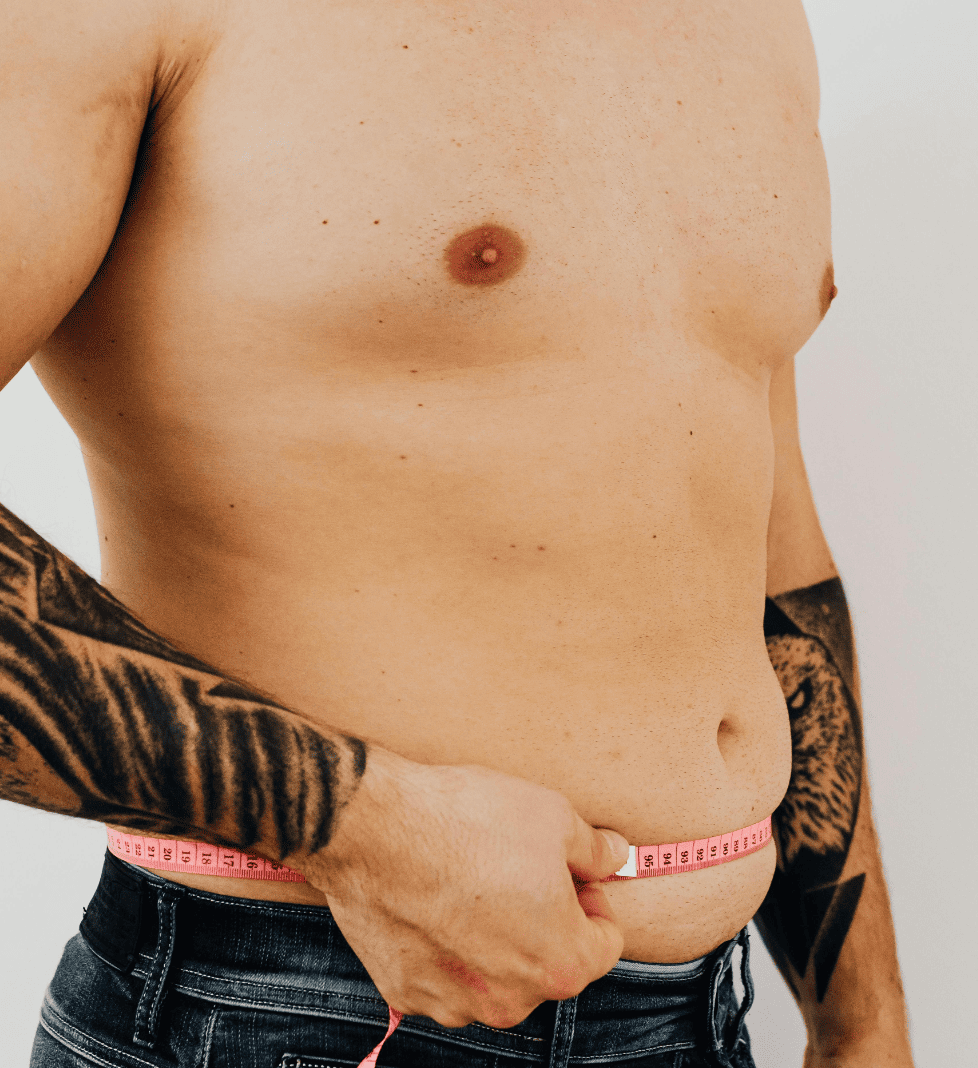
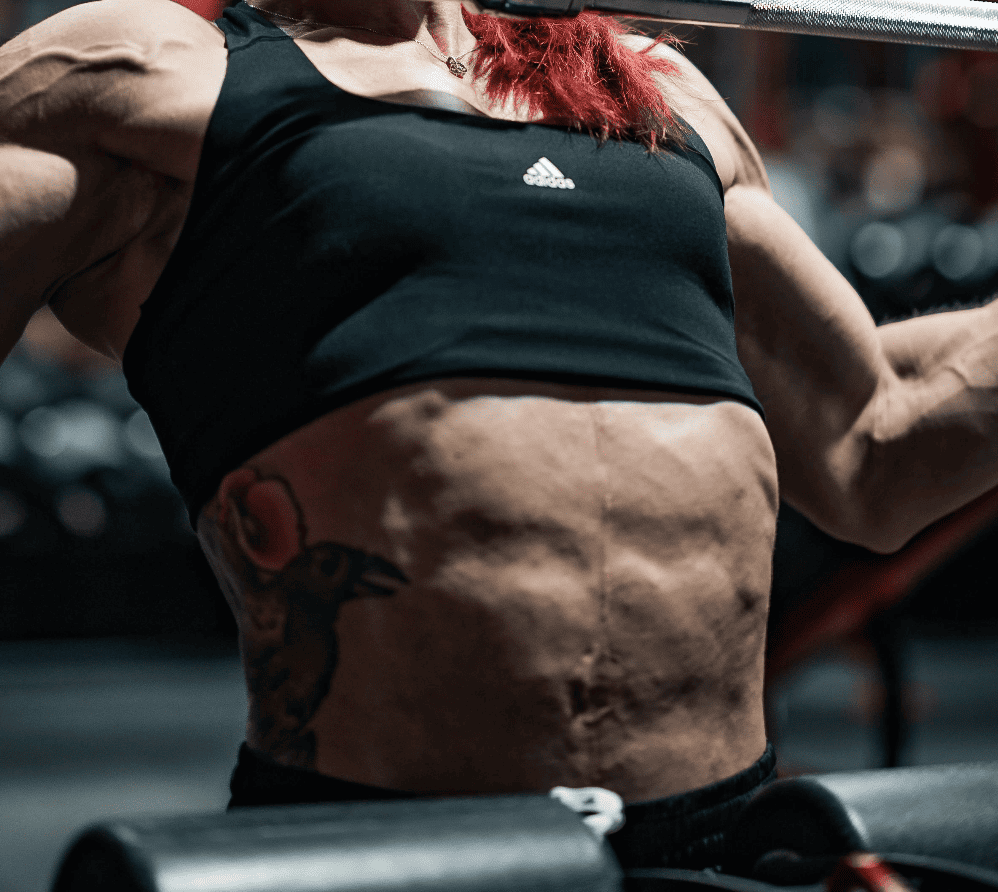
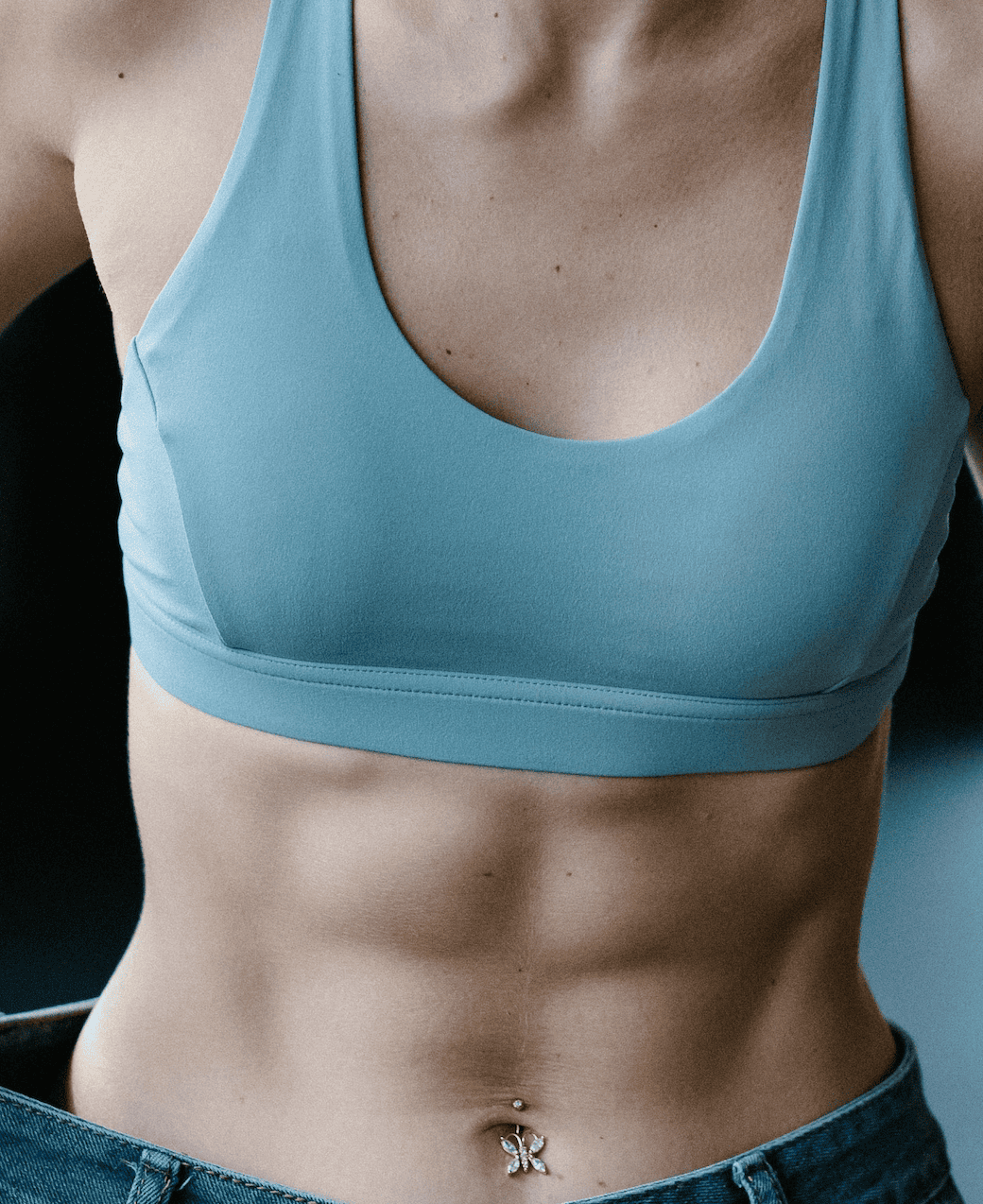
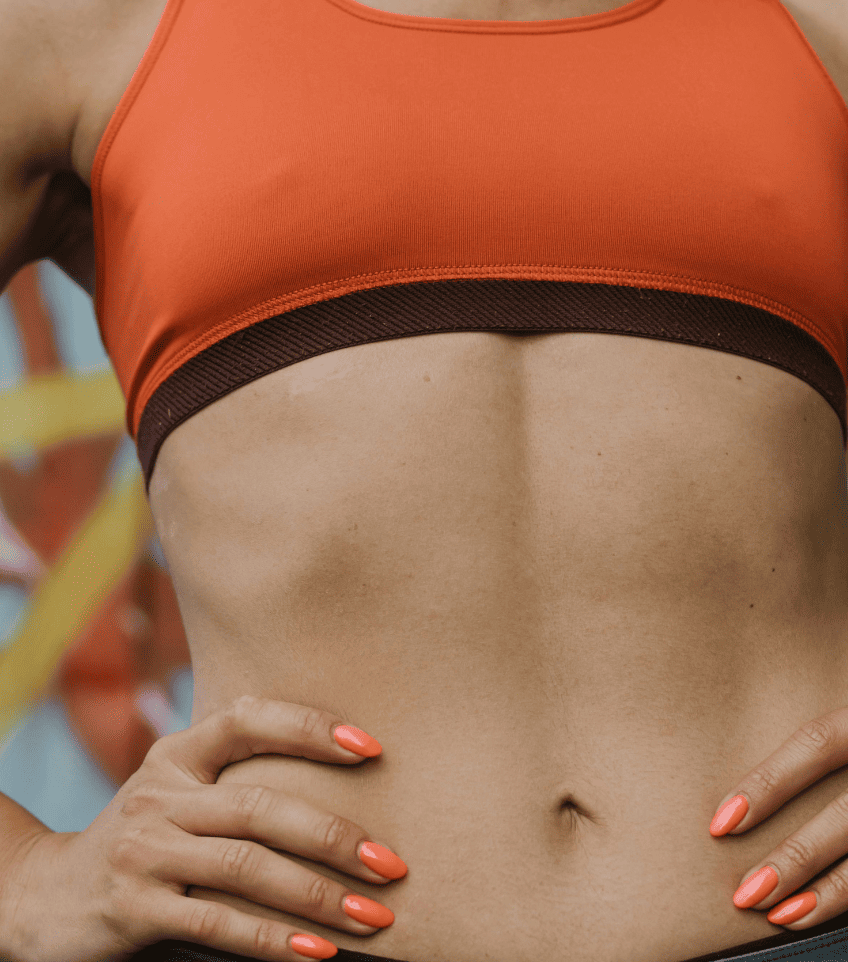
Photo comparison also has no per-measurement cost, no equipment dependency, no hydration sensitivity, and is available to anyone with a phone. The limitation is that self-assessment can be inaccurate (people tend to over- or underestimate their own body fat), which is why using reference images with known body fat ranges — rather than pure self-judgment — is more reliable.
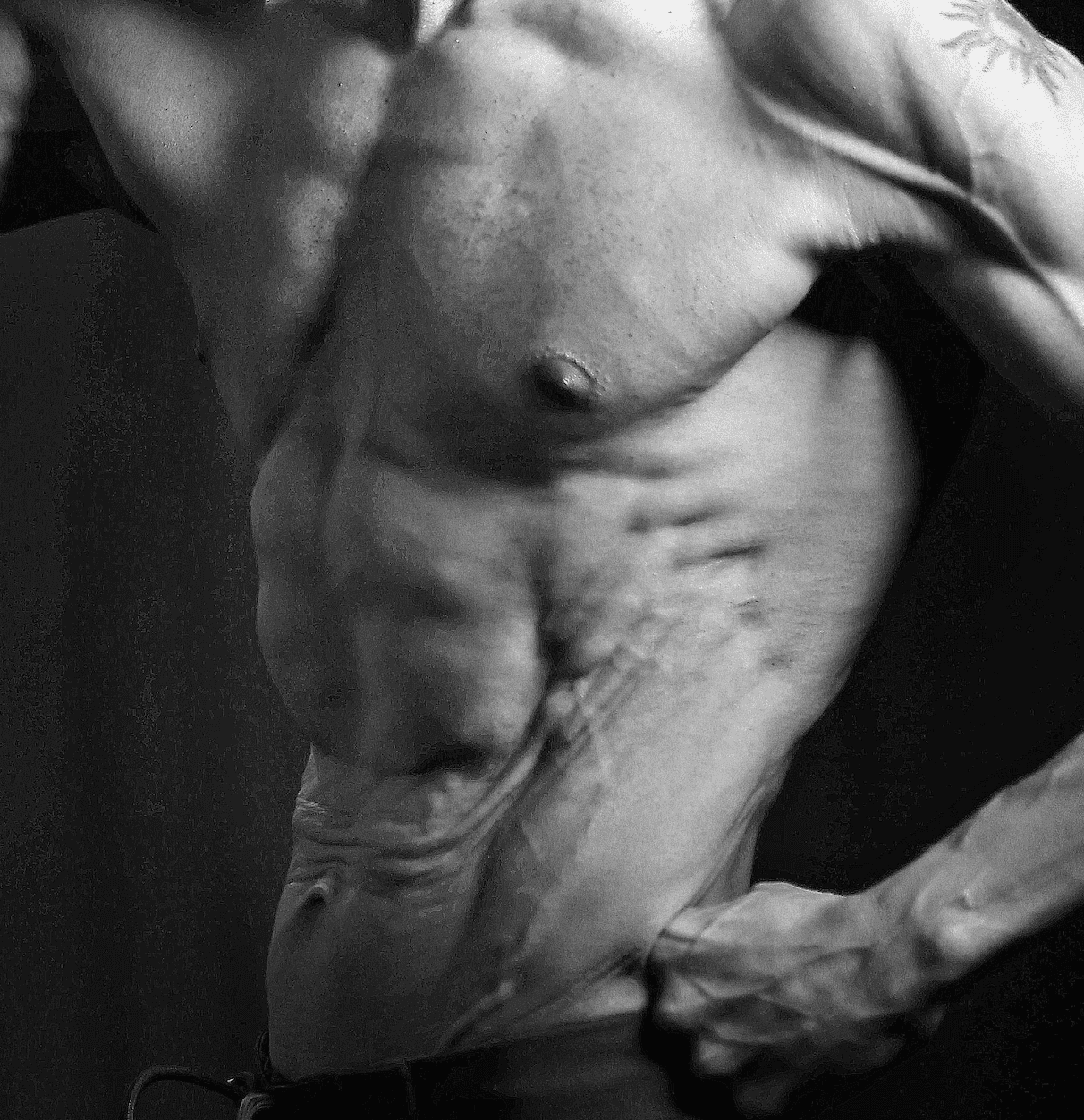
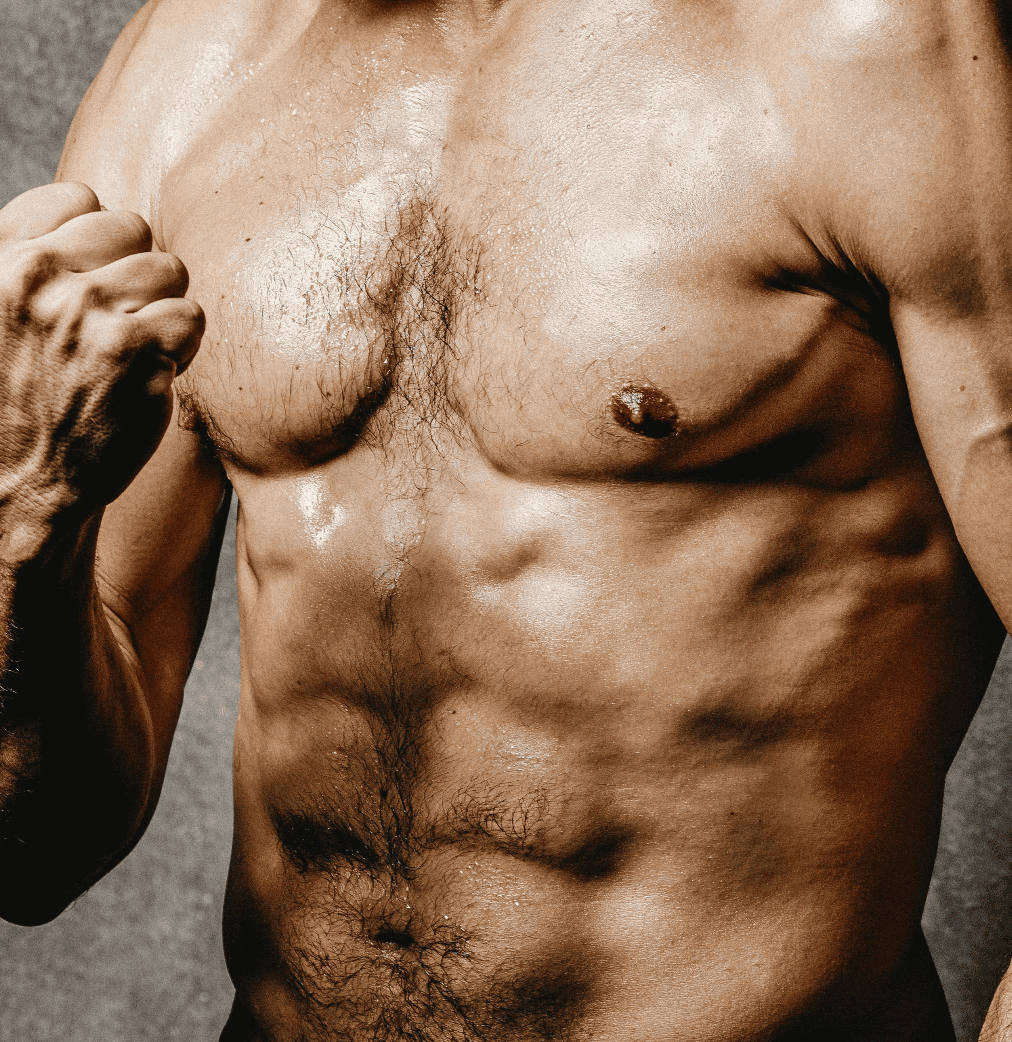
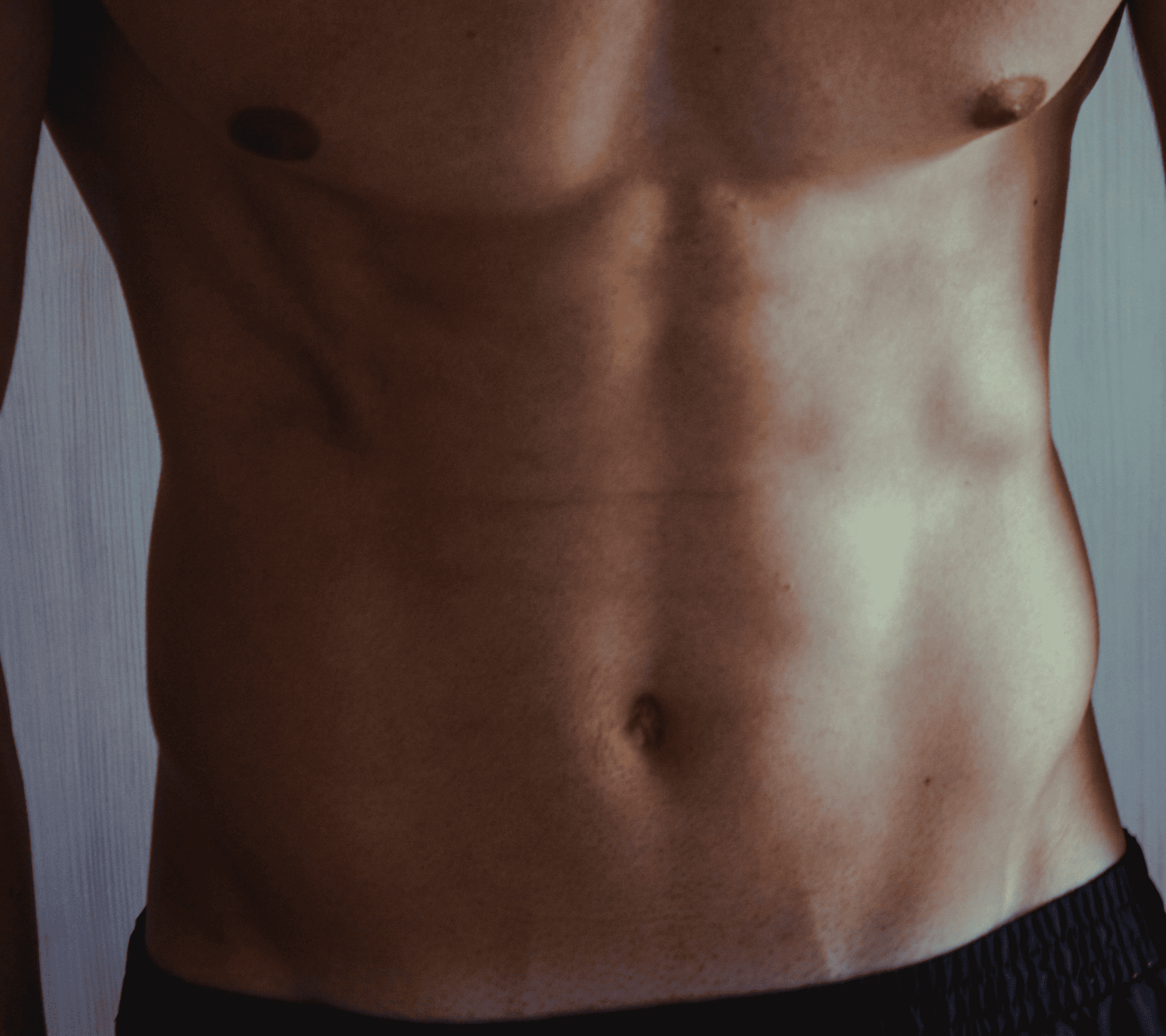
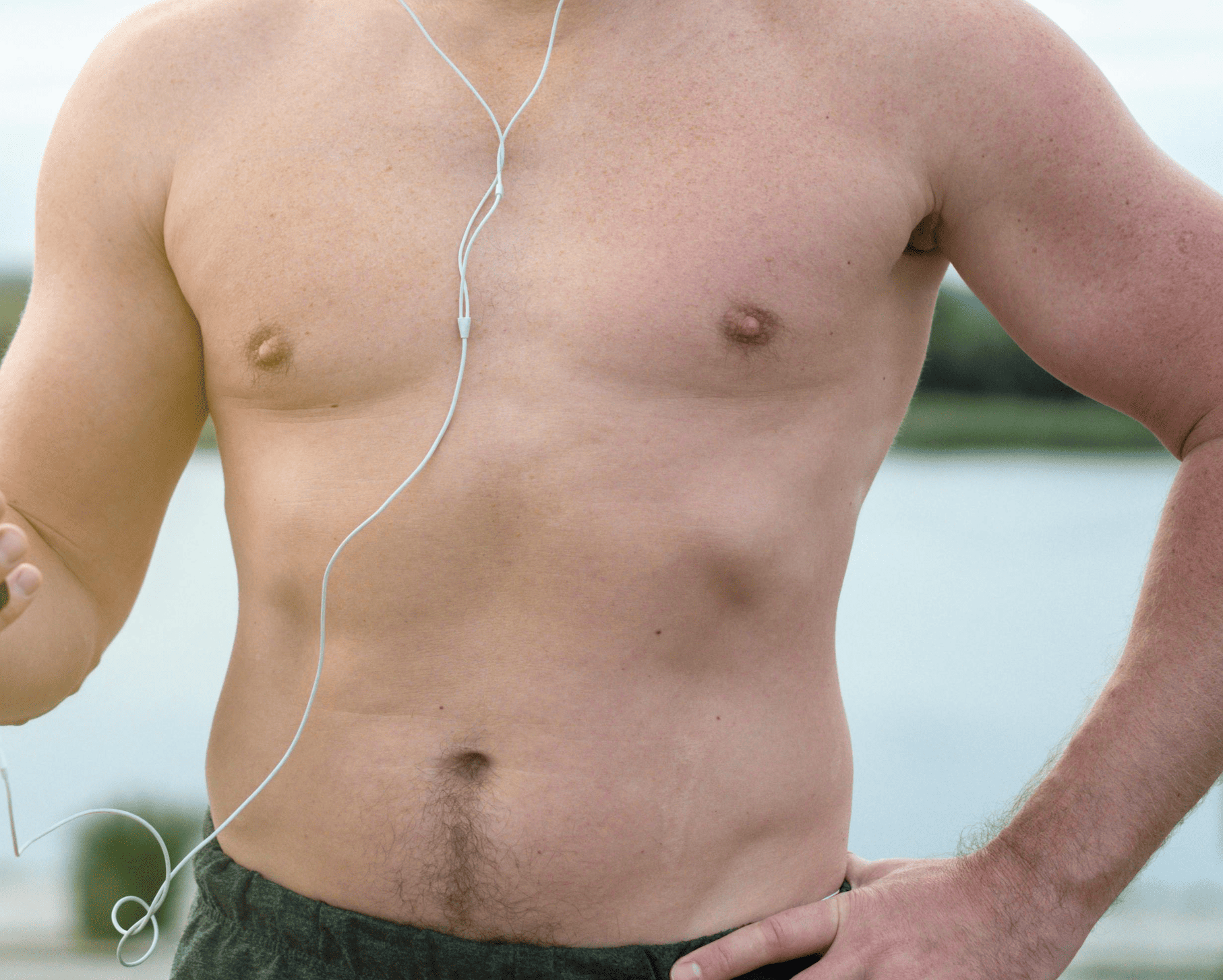
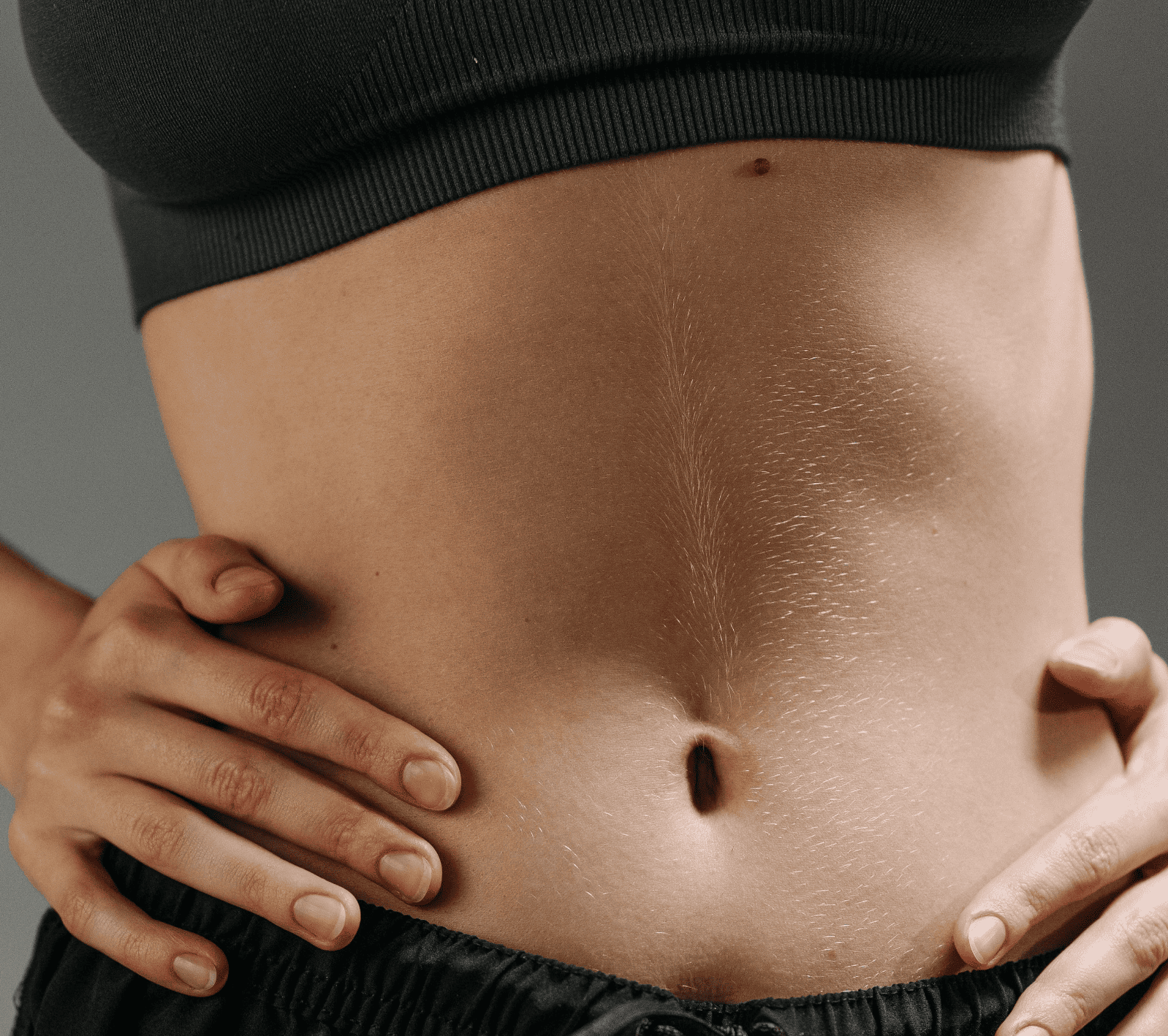
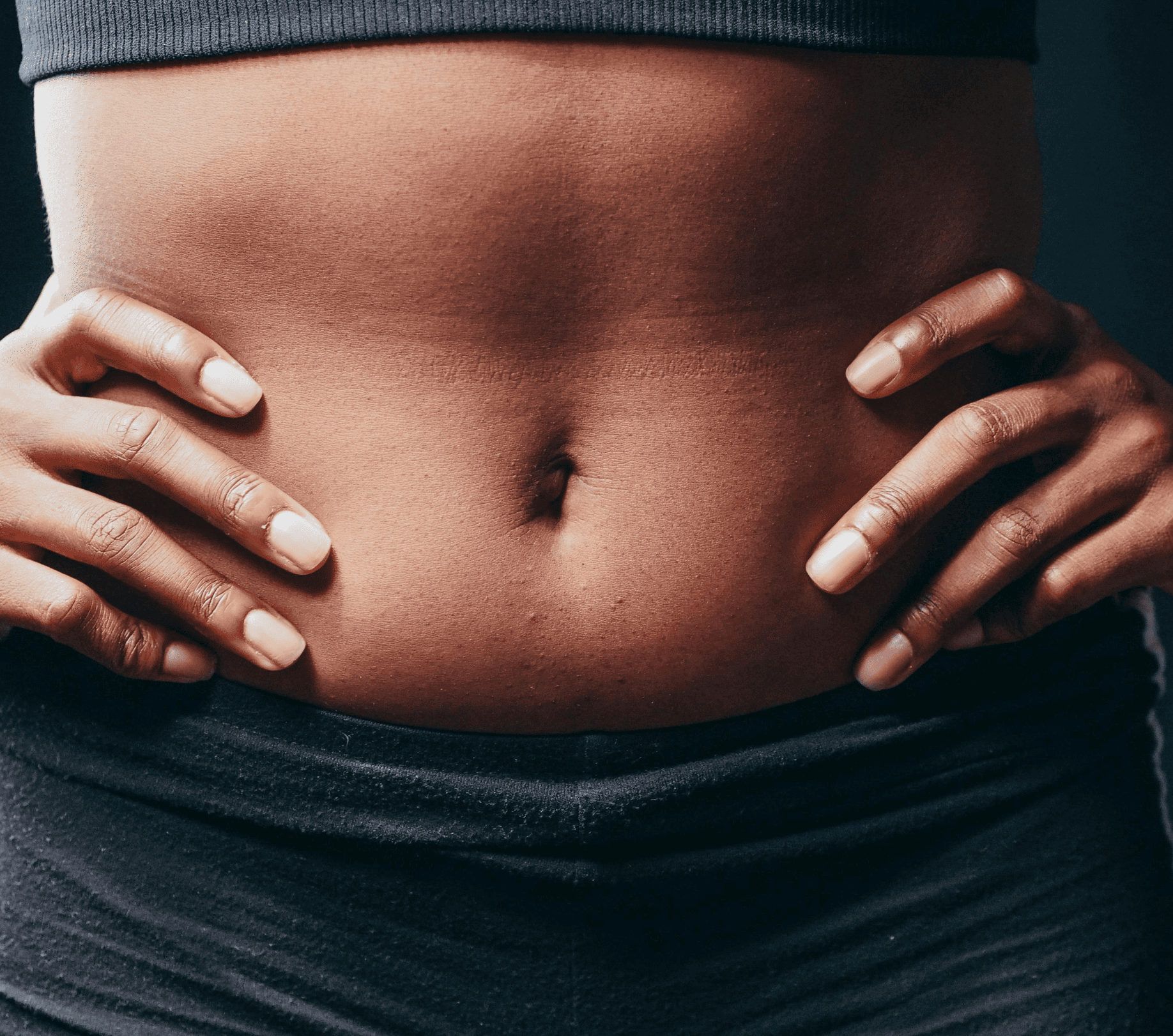
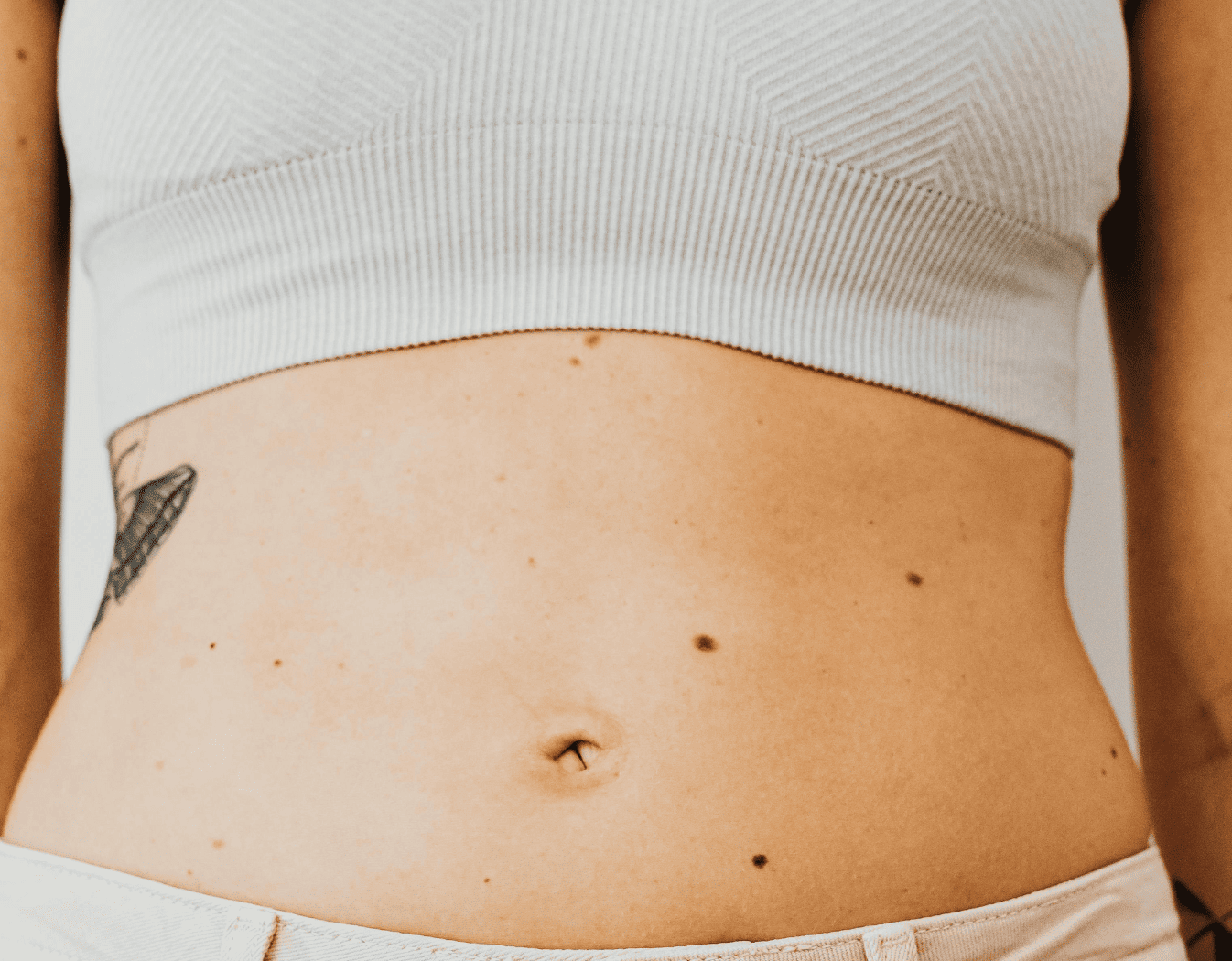
Below are reference images across the typical body fat spectrum for both males and females, organized by range. Use these to orient yourself, and then track change over time rather than obsessing over an exact percentage.
Male Reference — Body Fat % by Range

Female Reference — Body Fat % by Range
The Bottom Line
Body fat measurement is a solved problem in research labs and an unsolved problem in everyday life. MRI and 4-compartment models are genuinely accurate, but they exist behind hospital walls and research budgets. DEXA scans are the best accessible option, but at $50–150 a visit, real-world variability of 1–3%, and hydration sensitivity, they're not the precision tool their reputation suggests.
Calipers, tape measures, and BIA scales are all useful for tracking trends — if you measure consistently, in the same conditions, with the same method, you'll detect real change. The absolute number doesn't matter as much as the direction and rate of change.
For most people doing a structured bulk, a combination of three things gives you everything you need to make good decisions:
- Weekly weigh-ins: same time, same conditions to track overall mass change.
- Monthly tape measurements: waist circumference is the most reliable single indicator of fat accumulation direction.
- Progress photos: compared against reference images like the ones above to assess where fat is going and whether the bulk looks like you want it to.
The goal of tracking body fat isn't to produce a precise number to obsess over. It's to give you the feedback needed to adjust your surplus, your training, or your timeline. For that purpose, free, consistent, low-tech methods are often more useful than expensive ones.
BulkUp uses the photo method and the US Navy tape method to estimate body fat. The methods are not accurate, but following single method can still be easy to compare against as the ody fat changes.